Honoring Our Heroes: The Importance of Veterans Memorials

Updated: Aug 13
Memorials dedicated to veterans serve as powerful reminders of the sacrifices made by those who have served in the armed forces. These structures are not just stone and metal; they embody the stories, struggles, and triumphs of individuals who have defended our freedoms. In a world where the pace of life often overshadows the past, veterans memorials play a crucial role in ensuring that we remember and honor our heroes.
The Significance of Veterans Memorials
Veterans memorials are more than just physical structures; they are symbols of gratitude and respect. They provide a space for reflection, remembrance, and education. Here are some key reasons why these memorials are significant:
Commemoration of Sacrifice: Memorials honor those who have made the ultimate sacrifice for their country. They remind us of the courage and bravery exhibited by service members in times of war and peace.
Educational Value: Many memorials include plaques and inscriptions that educate visitors about the history of military conflicts and the individuals who fought in them. This helps to foster a deeper understanding of the sacrifices made by veterans.
Community Gathering Places: Veterans memorials often serve as focal points for community gatherings, ceremonies, and celebrations. They bring people together to honor their local heroes and foster a sense of unity.
Healing Spaces: For many veterans and their families, memorials provide a place to grieve and heal. They offer a serene environment where individuals can reflect on their experiences and find solace.
Types of Veterans Memorials
Veterans memorials come in various forms, each serving a unique purpose. Here are some common types:
Monuments
Monuments are often grand structures that symbolize the valor of service members. They can take many forms, from statues of soldiers to abstract designs representing peace and sacrifice. For example, the Vietnam Veterans Memorial in Washington, D.C., is a black granite wall inscribed with the names of over 58,000 soldiers who lost their lives in the conflict.
Plaques and Tablets
Plaques and tablets are smaller memorials that can be found in parks, schools, and public buildings. They often commemorate specific individuals or events and provide historical context. These memorials are accessible to the public and serve as constant reminders of the sacrifices made by veterans.
Parks and Gardens
Some memorials take the form of parks or gardens, providing a tranquil space for reflection. These areas often include benches, walking paths, and landscaping that encourages visitors to pause and remember. The National World War II Memorial in Washington, D.C., features a beautiful plaza with fountains and a serene atmosphere.
Living Memorials
Living memorials are unique in that they focus on the ongoing contributions of veterans to society. These can include community service projects, educational programs, or initiatives that support veterans in their post-service lives. They highlight the idea that honoring veterans extends beyond remembrance; it involves actively supporting their well-being.
The Role of Community in Memorials
Communities play a vital role in the creation and maintenance of veterans memorials. Local organizations, veterans' groups, and citizens often come together to fundraise, design, and build these memorials. This collaborative effort fosters a sense of ownership and pride within the community.
Fundraising Efforts
Many memorials are funded through donations from individuals, businesses, and local governments. Fundraising events, such as charity runs or auctions, help raise the necessary funds to create and maintain these important structures. For instance, the construction of the Korean War Veterans Memorial was made possible through a combination of federal funding and private donations.
Volunteer Involvement
Volunteers often contribute their time and skills to help build and maintain memorials. This can include everything from landscaping to organizing events. The involvement of community members not only helps reduce costs but also strengthens the bond between veterans and the community.
Educational Programs
Communities can also support veterans memorials by developing educational programs that teach younger generations about the importance of honoring veterans. School field trips to memorials, guest speakers, and history projects can help instill a sense of respect and appreciation for those who have served.
The Emotional Impact of Veterans Memorials
Visiting a veterans memorial can evoke a range of emotions. For many, it is a deeply personal experience that brings forth memories of loved ones who served. Here are some emotional aspects to consider:
Remembrance and Reflection
Memorials provide a space for individuals to remember their loved ones and reflect on their sacrifices. This can be especially important for families of veterans who may not have had the opportunity to say goodbye. The act of visiting a memorial can be cathartic, allowing individuals to process their grief.
Connection to History
For those who did not experience war firsthand, memorials serve as a tangible connection to history. They provide a way to understand the sacrifices made by previous generations and foster a sense of gratitude for the freedoms enjoyed today.
Community Support
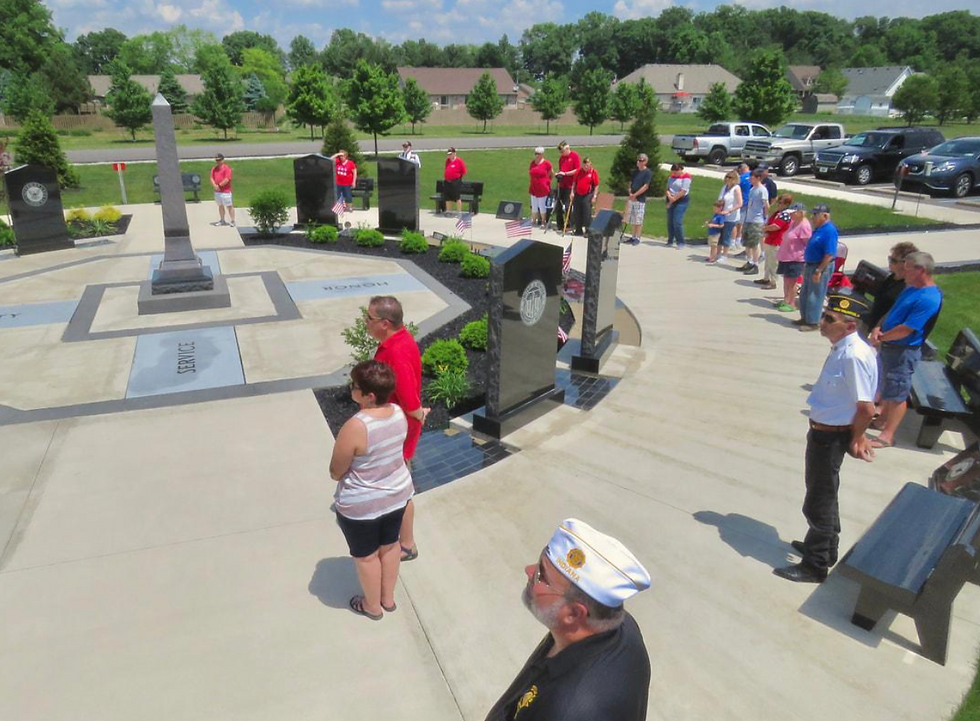
Visiting a memorial can also create a sense of community among those who share similar experiences. Veterans and their families often find solace in connecting with others who understand their struggles. Memorial events, such as ceremonies on Memorial Day or Veterans Day, bring people together to honor their shared history.
The Future of Veterans Memorials
As society evolves, so too must the way we honor our veterans. The future of veterans memorials will likely involve incorporating technology and interactive elements to engage younger generations. Here are some potential developments:
Digital Memorials
Digital memorials can complement physical structures by providing an online space for remembrance. These platforms can include virtual tours, interactive timelines, and personal stories from veterans and their families. This approach allows for a broader audience to engage with the history of military service.
Augmented Reality Experiences
Augmented reality (AR) technology can enhance the experience of visiting a memorial. By using smartphones or AR glasses, visitors could access additional information about the memorial, view historical footage, or hear personal stories from veterans. This immersive experience can deepen the understanding of the sacrifices made by service members.
Community Engagement Initiatives
Future memorials may focus more on community engagement, encouraging ongoing support for veterans. This could involve partnerships with local organizations to create programs that benefit veterans and their families, ensuring that the spirit of honoring heroes continues long after the memorial is built.
Conclusion
Veterans memorials are essential for honoring the sacrifices made by those who have served in the military. They serve as powerful reminders of bravery, resilience, and the importance of community. By supporting these memorials, we not only pay tribute to our heroes but also educate future generations about the value of service and sacrifice. As we move forward, it is crucial to continue finding innovative ways to honor our veterans, ensuring that their stories and sacrifices are never forgotten.
Let us take the time to visit our local memorials, participate in community events, and share the stories of our heroes. In doing so, we keep their memories alive and honor their legacy for generations to come.


Comments